Teacher SVG Cut File: A Designer’s Embroidery Review
As a professional embroidery designer and product reviewer, I approach every new digital asset with a critical eye. When evaluating the Teacher SVG Cut File, my primary concern is not just how it looks on a screen, but how it translates into thread on fabric. For those of us running a craft business, managing an Etsy shop, or creating personalized gifts for clients, the gap between a vector graphic and a finished embroidered product is where profit and reputation are made or lost. This review breaks down the practical realities of using this specific design asset in real-world production scenarios.
First Impressions and Vector Integrity
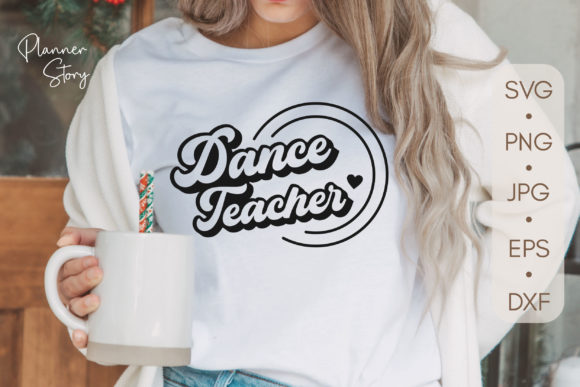
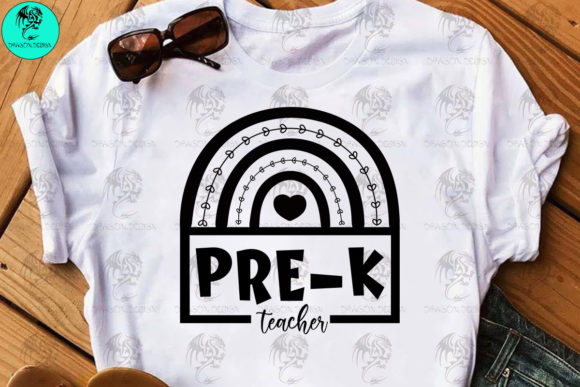
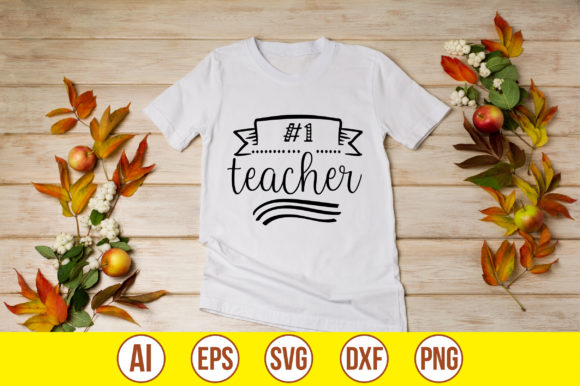
Upon extracting the zip file, the immediate advantage is the inclusion of multiple formats: SVG, DXF, PNG, and EPS. For an embroidery digitizer, the 100% vector nature of these files is non-negotiable. Raster images often lead to jagged edges when auto-digitized, but the clean lines in this Teacher SVG Cut File suggest it will convert smoothly into stitch paths. The ability to resize every vector without quality loss is crucial because teacher-themed projects vary wildly in scale. We might need a 2-inch logo for a baby bib or a 6-inch centerpiece for a tote bag. Having a true vector source means we can adjust the hoop size parameters in our digitizing software without fearing pixelation or distorted proportions.
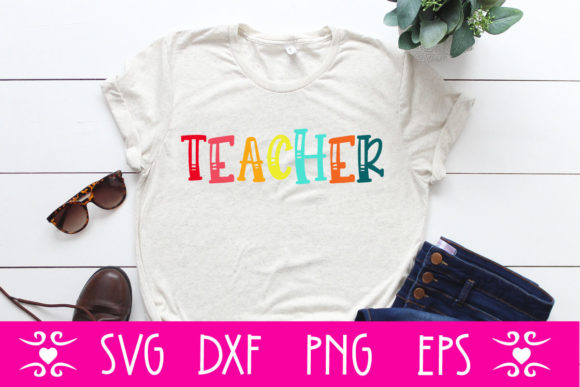
The visual personality of the design strikes a balance between professional and playful. It avoids the overly cartoonish aesthetic that can cheapen a handmade product, yet it retains enough warmth to appeal to parents and educators. This versatility makes it a strong candidate for both school merchandise and boutique apparel. The "easy to color change" feature mentioned in the product details is accurate; because the layers are distinct vectors, reassigning thread colors to match specific school districts or brand palettes takes seconds rather than hours.
Real-World Application: The Custom Sweatshirt Test
To truly evaluate this design, I mentally applied it to a current client request: a custom embroidered sweatshirt for a retiring kindergarten teacher. Sweatshirts present unique challenges due to the fleece texture and stretch. In this scenario, the Teacher SVG Cut File serves as an excellent foundation for an applique design. Rather than stitching out a massive fill area that could cause puckering on soft fleece, I would use the SVG outlines as cutting guides for fabric appliqués, securing them with a satin stitch border.
This approach highlights the design's strength in mixed-media embroidery. The clean vectors allow for precise placement lines (running stitch) and tack-down stitches before the final decorative elements. For a sweatshirt embroidery project, this reduces stitch density significantly, resulting in a softer garment that customers actually want to wear. If you were to use this for a dense fill stitch instead, the design’s bold shapes would still hold up well, provided you use adequate stabilizer. However, the crispness of the vector lines suggests this artwork was created with defined boundaries in mind, making it ideal for layered felt or cotton appliqué on nursery decor, pillow covers, and holiday gifts.
Navigating Fabric Limitations and Stitch Types
While the digital file is high quality, physical execution requires caution. Not every fabric behaves the same way under the needle. When using this Teacher SVG Cut File for items like tea towels or kitchen linens, the tight weave supports detailed satin stitches beautifully. However, if you are adapting this for a textured terry cloth towel or a ribbed knit cap, you must modify your digitizing strategy. The fine details in the vector art may get lost in the pile of the fabric.
For curved surfaces like caps or sleeves, the resizable aspect of the EPS or DXF file becomes vital. You cannot simply hoop a cap and hope for the best; you must reshape the design to account for the curve. Because this is a vector-based graphic, you can manipulate anchor points in your software to prevent distortion during stitching. Conversely, be wary of using this design at extremely small sizes on stretchy fabrics. While the file is resizable, physics still applies. If you shrink the design below 1.5 inches for a baby onesie, intricate internal details may turn into a thread blob. Always prioritize legibility over complexity when scaling down for baby embroidery or袖 cuffs.
Commercial Viability for Sellers and Makers
For the Etsy seller or small shop owner, time is money. The Teacher SVG Cut File streamlines the workflow from design to listing. The included PNG file is particularly valuable for creating printable mockups. Before I even thread my machine, I can overlay the high-resolution PNG onto a blank sweatshirt template to show clients exactly what the finished product will look like. This builds customer trust and reduces revision requests.
From a branding perspective, consistency is key. Whether you are producing commercial embroidery for a school district or selling personalized gifts at a craft fair, having a master vector file ensures that the design looks identical across different products. A patch on a backpack should match the decal on a water bottle. This level of professional consistency elevates a hobbyist output to a legitimate brand standard. Furthermore, because the file allows for easy color changes, you can create seasonal variations—autumn tones for back-to-school, red and green for holiday embroidery, or pastels for spring appreciation week—all from a single source asset.
Critical Pre-Stitch Checklist for Designers
Before loading this design into your machine for a paid order, adhere to these professional best practices:
- Verify Licensing: Confirm whether your purchase includes commercial rights for selling finished physical products versus digital files. Never assume usage rights based on file format alone.
- Test on Scrap Fabric: Always run a sew-out on the exact material you intend to use. A design that looks perfect on cotton quilting fabric may fail on performance wear.
- Check Stabilizer Pairing: Match your stabilizer weight to the fabric and stitch density. Use cut-away for knits and tear-away for wovens to maintain the integrity of the vector shapes.
- Inspect Small Text: If the design includes typography, ensure the font height exceeds 4mm for satin stitches. Anything smaller risks thread breaks and illegibility.
- Contrast Testing: View the design in black and white during the digitizing phase to ensure depth and separation rely on stitch direction and texture, not just color differences.
Final Verdict on Production Value
The Teacher SVG Cut File represents a solid investment for makers who understand the translation process from screen to stitch. Its value lies not just in the aesthetic appeal, but in the technical cleanliness of the vector work that facilitates easier digitizing and cleaner embroidery results. For the creative entrepreneur, it offers the flexibility needed to service diverse client needs, from corporate school orders to sentimental personalized gifts.
However, remember that a digital file is only a blueprint. The quality of the final handmade product depends entirely on your understanding of stitch dynamics, fabric behavior, and proper stabilization. Treat this asset as a professional starting point, apply your technical embroidery knowledge, and you will produce merchandise that stands out in a crowded marketplace. Whether you are crafting for a boutique, fulfilling custom apparel orders, or expanding your digital product catalog, this design provides the reliable foundation necessary for professional results.