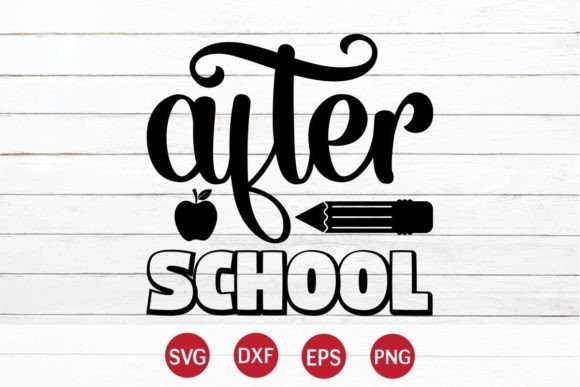
After School SVG Design: An Embroidery Review
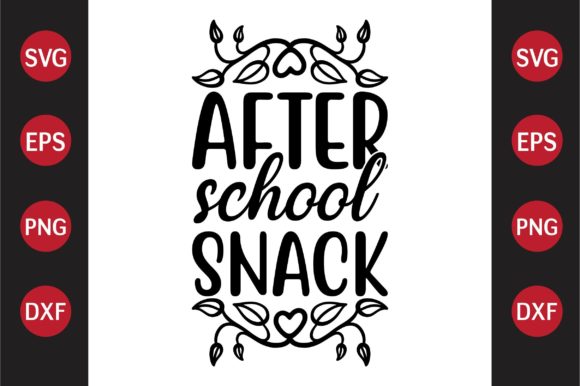
As a professional embroidery digitizer and product reviewer, I approach every new graphic asset with a specific question: will this actually stitch out cleanly on fabric? When evaluating the After School SVG Design, my first impression is that it captures a distinct nostalgic mood perfect for the education niche. The typographic layout suggests a playful yet structured aesthetic that resonates deeply with teachers, parents, and school staff. However, moving from a vector graphic on a screen to a tangible machine embroidery design requires careful consideration of line weight, spacing, and fabric interaction. This review breaks down how this design performs in real-world production scenarios for Etsy sellers, boutique owners, and hobbyists.
Translating Vector Typography to Stitch
The After School SVG Design is marketed as a typographic t-shirt vector, but for us in the Crafts industry, its value lies in its adaptability. Typography in Graphics is forgiving; typography in thread is not. Upon inspecting the lines, this design appears to rely on bold, clean shapes rather than intricate filigree. This is excellent news for embroiderers. Bold lettering typically translates well into either satin stitch columns or fill stitch blocks, depending on the final size.
If you are converting this SVG into a digital embroidery file, pay close attention to the negative space within the letters. In vector art, tight kerning looks modern. In embroidery, threads have physical thickness. If the letters are too close, the stitches can merge, causing puckering or legibility issues. For this specific design, I recommend adding slight manual spacing during the digitizing process if you plan to use it on textured fabrics like fleece or terry cloth. The visual personality of the design feels retro and academic, making it an ideal candidate for custom apparel that targets the back-to-school season or teacher appreciation events.
Real-World Application: The Teacher Tote Bag Test
To truly evaluate this asset, let’s apply it to a practical scenario. Imagine you are fulfilling a custom order for a teacher’s end-of-year gift: a heavy canvas tote bag design. Teachers carry heavy loads, so the item needs to be durable, and the branding must remain crisp after months of wear.
In this context, the After School SVG Design shines because of its thematic relevance. However, canvas is a dense, unforgiving material. A standard running stitch outline might get lost in the weave. For this project, I would advise digitizing the text with a slightly wider column width to ensure coverage. Because the design is typographic, centering is paramount. On a tote bag, even a two-millimeter shift can make the text look crooked against the bag's seams. Using a sticky stabilizer combined with a tear-away backing is essential here to prevent the canvas from shifting during the high-speed stitching of fill areas.
This application also highlights the commercial potential for small shop products. A finished tote featuring this design has high perceived value because it speaks directly to the user's identity. It transforms a generic blank into a meaningful personalized gift. Just ensure you verify the licensing terms from the original store before listing this as part of your craft business inventory, especially if selling on platforms like Teespring or Etsy.
Fabric Considerations and Technical Limitations
While versatile, the After School SVG Design is not universally compatible with every substrate. Understanding where to use it carefully is just as important as knowing where it excels.
- Stretchy Knits and Baby Clothes: If applying this to a onesie or lightweight knit tee, the density of typographic fills can create a "bulletproof vest" effect—a stiff patch of thread that ruins the drape of the garment. For baby embroidery, consider reducing the stitch density or using a lighter font variation derived from the original vector.
- Curved Surfaces: Placing horizontal typography on a curved cap brim is risky. Unless the design is specifically arched during digitizing, the straight lines of the After School SVG Design will appear distorted on a hat. Always warp the text to match the curve of the hoop size before stitching.
- Dark Fabrics: Typographic designs often rely on contrast. If stitching white text on a navy sweatshirt, ensure your underlay is sufficient to prevent the dark fabric color from bleeding through the top threads. Test your thread colors against the garment first.
- Small Hoop Sizes: Detailed serifs or thin connecting lines may disappear at small scales. If you need a 2x2 inch logo for a sleeve cuff, simplify the design elements. Complex vectors rarely survive miniaturization without losing clarity.
Impact on Product Value and Customer Trust
For creative entrepreneurs, the quality of your embroidery directly correlates to customer trust. A jagged, poorly registered version of the After School SVG Design signals amateurism. Conversely, a crisp, well-stabilized execution signals professionalism. When customers receive a handmade product where the lettering is sharp and the fabric lies flat, they associate that quality with your entire brand.
This design’s strong thematic focus also aids in buyer engagement. In a crowded marketplace, specific niches win. A generic "school" graphic competes with millions of others. A stylized, retro "After School" typographic treatment targets a specific aesthetic preference common among millennial educators and parents. This specificity increases the likelihood of sales for commercial embroidery projects and digital downloads alike. Furthermore, offering this design across multiple mediums—such as matching sweatshirt embroidery and mug decals—creates a cohesive collection that encourages higher cart values.
Essential Designer Notes Before You Stitch
Before loading this design into your machine or listing it in your shop, run through this practical checklist to ensure success:
- Verify Licensing: The product description mentions use for websites and Teespring stores. Confirm explicitly whether the license covers physical finished products sold on third-party marketplaces or if it is limited to print-on-demand services.
- Create Printable Mockups: Before committing thread, place the SVG onto realistic garment mockups. Check how the scale looks relative to the chest or pocket area. Does the aspect ratio fit standard embroidery project placements?
- Test Stitch Density: Run a sample on scrap fabric identical to your final product. Inspect the back of the sample. Excessive bobbin thread showing on top indicates tension issues or excessive density in the vector conversion.
- Check Washability: If this is for a kitchen towel or apron, wash and dry the test swatch. Typographic edges can fray if not properly secured with edge stitches. Ensure the design survives the laundering expected of its category.
- Contrast Check: View the design in black and white. If the hierarchy relies solely on color rather than value, it may fail when stitched in monochrome or tone-on-tone thread schemes.
Final Thoughts for Makers and Sellers
The After School SVG Design offers a solid foundation for educational and nostalgic merchandise, provided it is treated with the technical respect embroidery demands. It bridges the gap between digital vector art and tactile textile craft effectively when the digitizer understands the limitations of thread. Whether you are creating a holiday embroidery gift for a favorite teacher or building a seasonal product line for your online store, success lies in the details. Always prioritize fabric compatibility and stitch integrity over exact adherence to the vector shape. By doing so, you ensure that your embroidered patch, apparel, or accessory honors both the original design intent and the expectations of your customers. Remember, in our industry, the best design is one that looks as good coming out of the hoop as it does on the computer screen.