Dance Teacher SVG: A Designer’s Embroidery Review
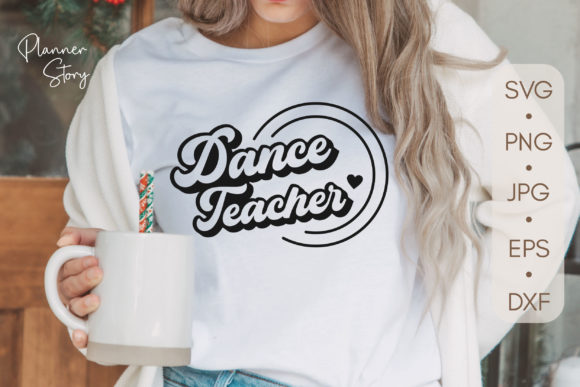
As a professional embroidery designer and product reviewer, I approach every new graphic with a specific question: will this translate beautifully from screen to stitch? When evaluating the Dance Teacher Svg, my focus shifts immediately from digital aesthetics to tangible production value. This file package, which includes SVG, PNG, JPG, and DXF formats, offers significant versatility for crafters and apparel decorators. However, the true test lies in how these vector lines perform when converted into a machine embroidery design. My assessment is based on real-world application, specifically considering how this graphic serves small business owners, Etsy sellers, and makers creating personalized gifts or custom apparel.
First Impressions and Visual Personality
Upon opening the files, the first impression of the Dance Teacher Svg is one of clean, purposeful movement. The visual personality strikes a balance between professional elegance and artistic expression, which is exactly what dance instructors look for in branding or personal gear. The lines are distinct, suggesting that if you were to digitize this as an applique design or a satin stitch outline, the registration would likely be forgiving. For graphics intended for embroidery, clarity is king. Muddy vectors result in muddy stitches. Fortunately, this design possesses the structural integrity needed for a high-quality finished product.
The mood created by this layout feels celebratory yet grounded. It avoids overly cursive scripts that often turn into thread nests on fabric, favoring legible forms that respect the limitations of needle and thread. As a reviewer, I appreciate that the design doesn't rely on microscopic details that would disappear under 40-weight thread. Instead, it offers bold shapes that promise excellent stitch definition, making it a strong candidate for both commercial embroidery projects and heartfelt handmade items.
Real-World Application: The Studio Tote Bag Test
To truly evaluate this asset, I mentally placed it into a current client scenario: designing a premium canvas tote bag for a local ballet academy’s instructor appreciation week. Tote bags are a staple in the crafts category, but they present unique challenges due to the heavy fabric texture and the need for durability. Using the Dance Teacher Svg as the foundation for this project requires strategic digitizing decisions.
For this sweatshirt embroidery or tote bag design, I would utilize the SVG file to create a multi-layered applique. The solid shapes within the graphic are perfect for fabric placement, reducing overall stitch density while adding tactile interest. The transparent 300 dpi PNG serves as an invaluable reference for color matching and positioning within the hoop. In this real-life case, the design needs to withstand being tossed onto studio floors and washed frequently. Therefore, I would interpret the finer lines of the SVG not as delicate running stitches, which might break, but as reinforced satin columns or narrow fill stitches. This adaptation ensures the personalized gift remains intact through years of use, maintaining the professional standard expected by dance educators.
Performance Across Different Substrates
Versatility is crucial for any digital embroidery file sold to creative entrepreneurs. The Dance Teacher Svg performs admirably across various mediums, provided the digitizer respects the substrate's characteristics. On smooth cotton t-shirts, the design can be rendered with higher detail, allowing for intricate facial features or shoe laces if present in the artwork. However, when moving to textured fabrics like fleece blankets or nursery decor, simplification becomes necessary. The stitch density must be adjusted to prevent the design from sinking into the pile.
For baby embroidery projects, safety and comfort are paramount. If using this graphic for onesies or bibs, I recommend converting the design to a soft fill stitch rather than dense satin borders, which can irritate sensitive skin. Conversely, for embroidered patches or caps, the design holds up well because these items typically feature stable backing materials. The DXF file included in the package is particularly useful here for Silhouette users who might want to cut vinyl heat transfer versions of the same design for mixed-media apparel, ensuring brand consistency across different product lines in a small shop.
Navigating Technical Limitations and Fabric Choices
Even the best graphics have boundaries. When working with the Dance Teacher Svg, caution is required on stretchy performance wear or dark fabrics without proper preparation. Dark fabrics demand high contrast thread colors; if the design relies on subtle shading, it may vanish against black leggings or navy warm-ups. Always test your thread color contrast before committing to a full production run. Additionally, curved surfaces like caps require a center-outward digitizing strategy to prevent distortion. If the original SVG has wide horizontal elements, they may need to be arched or resized to fit the cap frame properly.
Small hoop sizes also dictate how much of the Dance Teacher Svg can be utilized effectively. Trying to shrink a complex dance figure into a 2x2 inch area often results in poor stitch quality and thread breaks. In such cases, isolate a single element—like a ballet slipper or a silhouette head—to maintain stitching clarity. Remember that tiny lettering is the enemy of embroidery; if the graphic includes text smaller than 6mm height, consider replacing it with blockier fonts or removing it entirely to preserve the professional finish of the handmade product.
Elevating Brand Value and Customer Trust
For Etsy sellers and boutique owners, the presentation of your work directly influences buyer engagement. Using a high-quality source like the Dance Teacher Svg contributes significantly to perceived value. Customers can distinguish between a rushed, poorly digitized item and a thoughtfully executed piece. When the stitch paths flow logically and the design sits flat without puckering, it signals professionalism. This attention to detail builds customer trust and encourages repeat business.
Furthermore, utilizing the included 300 dpi PNG for printable mockups allows you to market your services effectively before stitching a single sample. Clear, crisp digital previews help clients visualize the final outcome, bridging the gap between concept and reality. Whether you are selling the finished custom apparel or offering the design assets themselves, maintaining this level of quality ensures your brand stands out in the crowded crafts marketplace.
Essential Designer Notes for Success
Before loading this design into your machine or listing it in your shop, adhere to these practical protocols:
- Test Stitch First: Never assume a digital file is stitch-ready. Always run a test on scrap fabric similar to your final project to check tension and registration.
- Verify Licensing: While you receive multiple file formats, always confirm the specific license terms regarding commercial use versus personal use before selling finished products or digital files.
- Stabilizer Selection: Match your stabilizer to the fabric weight. Use cut-away for knits and tear-away for stable wovens to ensure the Dance Teacher Svg remains crisp after washing.
- Mockup Validation: Test the design in black and white mockups to ensure it reads well without color reliance, which is essential for accessible design presentation.
- Check Compatibility: Confirm that your specific embroidery software or cutting machine supports the provided SVG or DXF versions to avoid workflow interruptions.
By treating the Dance Teacher Svg as a foundational blueprint rather than a finished solution, you unlock its full potential. It is a robust asset for the serious maker, capable of producing beautiful, durable, and marketable embroidery projects when handled with professional care and technical insight.