6th Grade Teacher SVG: An Embroidery Review
As a professional embroidery designer and product reviewer, I approach every new digital asset with a critical eye. When evaluating the 6th Grade Teacher Svg, my primary concern is not just how the graphic looks on a screen, but how it translates into thread on fabric. This design arrives in multiple formats including SVG, Transparent PNG, EPS, and DXF, which immediately signals versatility for both digital cutting machines and potential digitizing workflows. However, for those of us in the Crafts industry focusing on needle and thread, the true test lies in stitchability, visual hierarchy, and commercial viability for client projects.
First Impressions and Design Personality
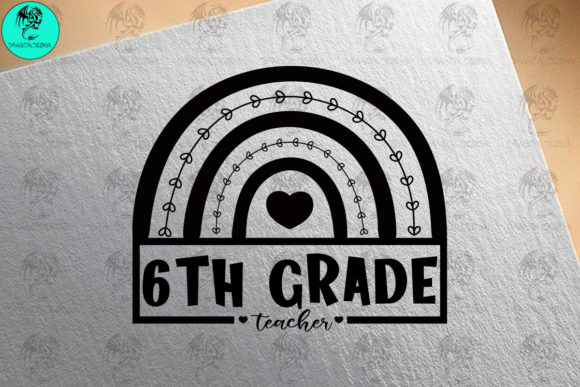
Upon opening the 6th Grade Teacher Svg, the first thing I assess is the visual weight and emotional resonance. Sixth grade is a pivotal transition year; students are moving from elementary to middle school, and teachers in this bracket often appreciate designs that balance maturity with warmth. This graphic avoids being overly juvenile, making it suitable for a more sophisticated handmade product. The lines appear clean and intentional, suggesting that if this were converted into a machine embroidery design, it would likely require minimal cleanup. The layout feels centered and balanced, which is crucial when placing artwork on curved surfaces or smaller hoop areas without distortion.
For Etsy sellers and creative entrepreneurs, this aesthetic matters. A design that looks professional digitally must retain that integrity when stitched. The typography and iconography in this file seem optimized for clarity, avoiding the cluttered details that often turn into thread nests or muddy visuals during production. It strikes the right mood for custom apparel intended for educators who want to show pride without wearing something that feels costume-like.
Real-World Application: The Custom Sweatshirt Test
To truly evaluate this asset, I mentally placed it in a real-life production scenario: creating a custom crewneck sweatshirt for a teacher appreciation gift. Sweatshirts are a staple in the craft business world, but fleece and French terry fabrics present specific challenges. When using the 6th Grade Teacher Svg as a reference for digitizing or sublimation, I considered how the design interacts with fabric texture.
In this scenario, I envisioned the design placed on the left chest or centered across the yoke. For embroidery, the open spaces in the vector file are advantageous. They allow for strategic use of satin stitch borders paired with lighter fill stitch interiors, keeping the overall stitch density manageable. Heavy, dense designs on sweatshirt fleece can cause puckering or create a "bulletproof" patch effect that ruins the garment's drape. This design’s structure suggests it would breathe well on fabric. Furthermore, the transparent PNG format included in the package is invaluable for creating accurate printable mockups to show clients exactly how their personalized gift will look before a single needle penetrates the fabric.
Navigating Fabric Limitations and Hoop Constraints
While the 6th Grade Teacher Svg offers excellent potential, experienced makers know that execution depends heavily on substrate selection. There are specific environments where this design requires careful handling:
- Stretchy Fabrics: If applying this to performance tees or thin knits, you must verify the stabilizer strategy. The design elements need adequate support to prevent stretching out of shape during the stitching process.
- Small Hoop Sizes: While versatile, always check the aspect ratio against your available hoops. Resizing a complex graphic too small can result in lost detail. Ensure the smallest text elements remain legible at your target size.
- Textured Materials: On pique polos or canvas tote bags, fine lines may get lost. You might need to adjust the underlay or increase column widths when converting this SVG into an embroidery file.
- Dark vs. Light Fabrics: Always test contrast. A design that pops on white cotton might disappear on navy fleece. Use the provided EPS or DXF files to quickly generate color-separated previews or black-and-white tests to confirm visibility.
For items like caps or curved visors, the horizontal span of the 6th Grade Teacher Svg is a key metric. Caps have limited vertical height, so ensure the design geometry fits within that curvature without flattening awkwardly.
Commercial Value and Professional Presentation
For small shop owners and boutique brands, consistency builds trust. Using high-quality design assets like this ensures your finished products look cohesive across different mediums. Whether you are producing holiday embroidery for winter gifts or back-to-school merchandise in August, having a reliable base graphic streamlines production. The inclusion of multiple file types means you aren't locked into one production method; you can offer embroidered patches, vinyl decals, and printed mugs using the same source art, maximizing the ROI of your design library.
However, professionalism extends beyond the file itself. It encompasses how you present the final item. Because this design targets a specific niche (6th-grade educators), your marketing should reflect that specificity. Avoid generic "teacher" tags. Instead, highlight how this design celebrates the unique milestone of 6th grade. This attention to detail increases buyer engagement and positions your shop as a specialist rather than a generalist.
Essential Designer Notes Before Stitching
Before loading this design into your machine or listing it in your store, adhere to these practical checkpoints to ensure success:
- Verify Licensing: Confirm whether your purchase includes commercial rights for selling physical products versus digital files. Never assume; always read the specific license terms attached to the 6th Grade Teacher Svg.
- Test on Scrap Fabric: Never run a new design directly on a client’s garment. Stitch out a sample on similar fabric to check tension, registration, and overall feel.
- Check Thread Colors: Monitor thread changes. If the design has many color breaks, consider consolidating colors to improve production speed and reduce trim times.
- Inspect Small Details: Zoom in to 400% in your software. Look for gaps between objects or overlapping stitches that could cause needle breaks or fabric tears.
- Validate File Integrity: Since you receive SVG, PNG, EPS, and DXF, open each one to ensure no data corruption occurred during download. Corrupt vectors can lead to jagged edges in embroidery digitizing.
Ultimately, the 6th Grade Teacher Svg represents a solid foundation for makers. It balances aesthetic appeal with functional adaptability, provided you apply sound technical judgment. By respecting the relationship between digital art and physical materials, you transform a simple graphic file into a cherished, professional-grade product that resonates with its intended audience. Whether for a tote bag design, a staff uniform, or a sentimental keepsake, this asset serves as a reliable tool in the modern crafter's repertoire.