School SVG Design: Cutest Chick in 4th G Review
As a designer who spends more time behind an embroidery machine than a computer screen, I approach every new graphic with a specific question: will this actually stitch out well on a finished product? When evaluating the School Svg Design, Cutest Chick in 4th G, my focus shifts immediately from the digital preview to the tangible reality of thread and fabric. This design falls squarely into the Crafts and Graphics categories, but for those of us running a craft business or managing Etsy listings, its true value lies in its versatility as a machine embroidery design and cut file hybrid.
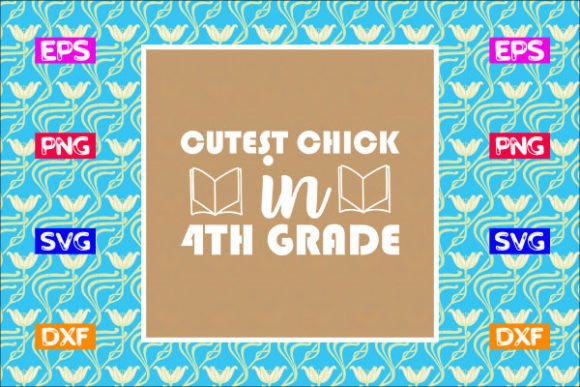
The first impression of this artwork is undeniably cheerful. The "Cutest Chick" theme paired with "4th Grade" text creates an instant emotional hook for parents and teachers. Visually, it balances playful character aesthetics with clear, readable typography. However, as an experienced reviewer, I look past the cute factor to assess the structural integrity of the lines. For a sweatshirt embroidery project or a custom tote bag, the design needs to hold its shape without distorting. The vector nature of the included EPS and DXF files suggests clean lines, which is promising for both vinyl cutting and digitizing for embroidery. The mood is nostalgic yet current, making it a strong candidate for back-to-school merchandise or personalized gifts for students transitioning into upper elementary grades.
Real-World Application: The Fourth Grade Sweatshirt Test
To truly judge this asset, I mentally placed it in a real-life production scenario. Imagine preparing a custom apparel order for a fourth-grade class picnic or a "moving up" ceremony. A parent requests a crewneck sweatshirt featuring the School Svg Design, Cutest Chick in 4th G. This is where the design must perform under pressure. Sweatshirt fleece is textured and has stretch, meaning the embroidery file needs appropriate density and stabilization considerations.
In this scenario, the design serves as the centerpiece of a handmade product. If using this as an applique design, the chick’s outline provides a natural boundary for fabric placement, reducing stitch count while adding tactile interest. If stitching it out entirely as a fill stitch or satin stitch emblem, the legibility of the "4th G" text becomes paramount. Small lettering in embroidery can easily become illegible if the stitch density is too high or the column width is too narrow. Because this product includes SVG and PNG files, I can easily create a printable mockup to show the client exactly how the placement will look before hooping a single garment. This step builds customer trust and ensures the visual personality of the design translates from screen to fabric.
Navigating Fabric Textures and Hoop Constraints
While the School Svg Design, Cutest Chick in 4th G is versatile, it requires careful application depending on the substrate. Not all fabrics treat graphics equally. When working with thin fabrics like quilting cotton for a baby embroidery project or pillow cover, you must be wary of stitch density. If the design is overly dense, it can cause puckering or fabric distortion. Conversely, on thick terry cloth for a kitchen towel or blanket, fine details might get lost in the pile. In these cases, using the design as a guide for a lighter running stitch outline combined with bold satin borders often yields better results than a solid fill.
Hoop size is another critical variable. This design likely has an optimal aspect ratio that suits standard 4x4 or 5x7 hoops. However, if you attempt to shrink it down for a small embroidered patch or a baby bib, the "4th G" text may suffer. Tiny lettering requires specialized digitizing adjustments that a standard graphic file cannot automate. Always test the design on scrap fabric first. Check whether the thread colors contrast sufficiently against your chosen background; a yellow chick on cream fabric will vanish, whereas the same design on navy blue fleece will pop. For dark fabrics, ensure your digitizing software accounts for underlay stitches to prevent the fabric texture from showing through the embroidery.
Commercial Viability for Makers and Sellers
For Etsy sellers and small shop owners, the commercial viability of a design asset dictates its worth. The School Svg Design, Cutest Chick in 4th G targets a very specific, recurring niche. Fourth grade is a milestone year in many school districts, marking the transition from lower to upper elementary. This specificity makes it a high-intent search term for holiday embroidery and end-of-year gifts. As a digital product seller, offering this in multiple formats (SVG, EPS, PNG, DXF) maximizes your potential audience, catering to both Cricut/Silhouette users and professional embroiderers.
However, professionalism extends beyond file formats. It encompasses how the finished product presents. A poorly executed stitch-out devalues the entire brand. When using this design for commercial embroidery, consistency is key. If you are selling a line of matching items—perhaps a tote bag design for the student and a mug wrap for the teacher—the graphic must scale gracefully across different mediums. The clean vectors provided in this package support this scalability, but the maker must still verify licensing terms. Before listing any finished product or digital derivative for sale, confirm that your license permits commercial use. Protecting your business means respecting intellectual property and ensuring your design assets are cleared for the specific type of commerce you intend to conduct.
Essential Designer Notes for Successful Execution
Before loading this design into your machine or cutting plotter, run through this practical checklist to ensure professional results:
- Verify File Compatibility: While EPS, SVG, PNG, and DXF are listed, always confirm your specific embroidery machine or software accepts the converted format. Some machines require DST or PES files derived from these source vectors.
- Test Stitch Density: Do not assume the default conversion is perfect for your fabric. Run a test sew on the exact material you plan to use for the final handmade product.
- Check Stabilizer Requirements: Stretchy knits need cut-away stabilizer; woven cottons may only need tear-away. The wrong choice will ruin the clarity of the "Cutest Chick" details.
- Evaluate Text Legibility: If resizing the design, measure the height of the "4th G" lettering. If it drops below 4mm, consider simplifying the font or removing the text to avoid stitch clutter.
- Mockup Before Production: Use the included PNG to create realistic digital previews for your shop listings. This helps manage buyer expectations regarding size and color placement.
- Thread Color Mapping: Plan your thread colors in advance. Ensure you have adequate contrast between the chick, the text, and the garment base color.
Ultimately, the School Svg Design, Cutest Chick in 4th G is a charming and functional asset for the prepared maker. It bridges the gap between digital graphics and tangible crafts effectively, provided the user applies sound embroidery principles. Whether you are creating a personalized gift for a favorite student or stocking your boutique with seasonal apparel, success comes from treating the file as a starting point rather than a final destination. By respecting fabric limitations, testing thoroughly, and presenting your work professionally, this design can become a reliable staple in your creative repertoire.